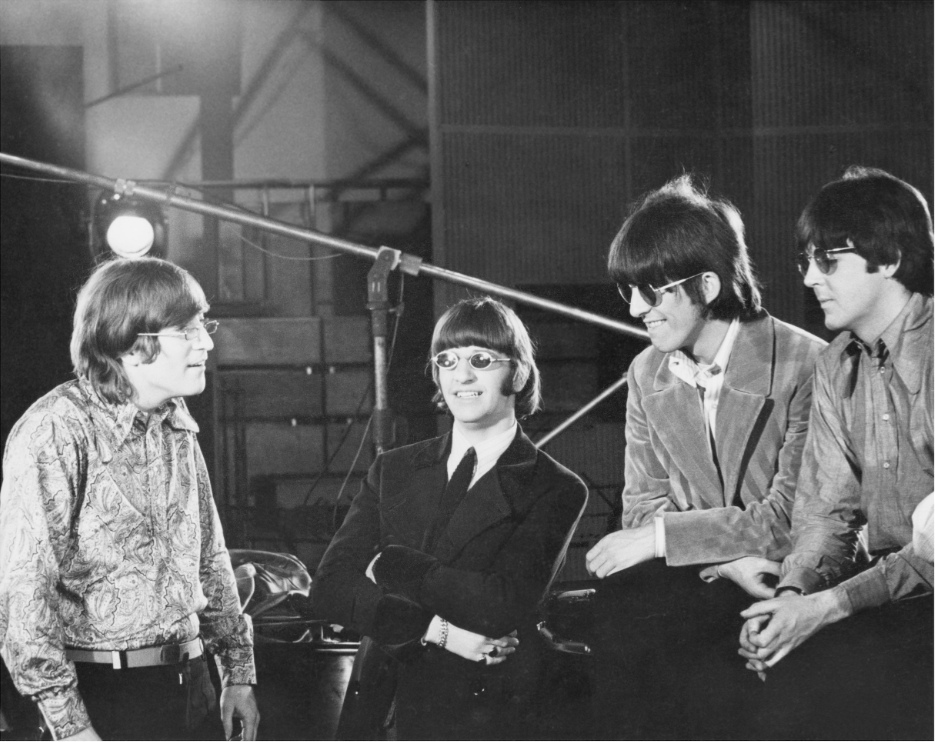
The Beatles’ impact on the world and the music landscape cannot be understated. In the span of their eight-year career, they went from a great pop band to legendary musicians and historical figures that are recognizable way beyond the ‘60s. After 1964 and the rise of Beatlemania in the United States, the Fab Four were constantly working. They toured the world three times, all the while recording and releasing three albums in the span of two years. The pressures of being the most famous musical artists on earth drove the Beatles into what is known as their “experimental period,” starting with 1966’s “Revolver.”
In 1966, the Beatles were coming off a five-month break from recording and touring, their first real break since the band came to America. John Lennon, in particular, had a wildly eye-opening time off during this break, being able to get out of the public eye, read and write music for their new project. In ‘65 and ‘66, The Beatles strongly experimented with drugs, particularly cannabis and a relatively new drug for the time, LSD (lysergic acid diethylamide). While all members of the band regret the time they spent with LSD, it gave the band a new songwriting muse and is credited with the weird, loopy, innovative sound of “Revolver.”
Lennon famously said he wanted his voice to sound like the Dalai Lama (the spiritual leader of Tibetan Buddhism), shouting out instructions to the listeners of the song from the mountaintops. The music that came out of Lennon during this time was influenced heavily by his experimentation with LSD and “The Psychedelic Experience” by Timothy Leary, based on the Tibetan Book of the Dead. Lennon claimed this book gave him a true meaning to build and reflect on after feeling empty in the band’s touring years.
Alongside George Martin, the famed producer of the band, 21-year-old Geoff Emerick came to EMI Studios (now Abbey Road) and became the recording engineer for the band for the remaining four years of its life. He is credited with helping Lennon fully realize his ideas from his break, for a droning, long, strange new song called “Tomorrow Never Knows,” the first song recorded for “Revolver.” Along with the name of their 1964 album and movie, “A Hard Day’s Night,” the name “Tomorrow Never Knows” was taken from Beatles drummer Ringo Starr, as Lennon had no original title for the song. Emerick had the idea to run his vocals through a Leslie cabinet speaker, which rotates, giving whatever is plugged into it a warbly sound.
“Tomorrow Never Knows” opens with one chord and drones on that chord the whole time. Starr’s drums hit like a truck and drive the song’s striking vocals. George Harrison had the idea to use a sitar on the song to give it more of a floating quality, and it really drives the listener to “turn off (their) mind, relax and float downstream” as Lennon instructs in the first line of the song. There is also a backwards guitar solo on the song, as when recording parts for the B-side of the single, “Rain,” Lennon accidentally put the tape in backwards, resulting in a backwards trippy vocal line, which they utilize on the guitar tracks of “Tomorrow Never Knows.”
While “Tomorrow Never Knows” may be the most iconic and clear sound of the Beatles diving head over heels into psychedelic sound, the experimentation didn’t stop there. Tracks like Harrison’s “Love You To,” McCartney’s “Good Day Sunshine” and Lennon’s “She Said She Said” quickly slam the door on the poppy love song sound of the Beatles’ previous years. The lyrics focus on ideas of fame and the public eye, drug use, and how excited the band was as they gained popularity and stole the stage until the end of the band’s touring in 1966.
“Doctor Robert” is a fun, retrospective song on the first time Lennon and Harrison took LSD, when their dentist slipped it into their coffee, sparking years of self-reflection and contentment with their weird place in the world. Similarly, Paul McCartney fans speculate what the bassist’s song “Got To Get You Into My Life” was about. The second song recorded for the album was mostly interpreted as a love song for most of its life, with catchy hooks and a Motown-like sound. McCartney later admitted it was a song about his early encounters with cannabis, with lyrics like, “I was alone, I took a ride I didn’t know what I would find there. Another road where maybe I could see another kind of mind there,” reinforcing the idea for fans that the song was about more than just a new love of his. “Got To Get You Into My Life’ was one I wrote when I had first been introduced to pot,” said McCartney. “It was mind-expanding, literally mind-expanding. So ‘Got To Get You Into My Life’ is really a song about that; it’s not to a person; it’s actually about pot.” (Genius)
The crazy new sound the Beatles were starting to explore on their 1965 album “Rubber Soul” is cranked up to 100% on “Revolver,” cementing the band’s point of no return for their songs moving forward. These days, “Rubber Soul,” “Abbey Road” and “Revolver” are revered as the best Beatles albums, but at the time of their release, many of the fans were very puzzled by “Revolver’s new trippy quality and just wanted the Fab Four to keep singing songs like “She Loves You” and “Twist and Shout.” Not to mention the controversy surrounding Lennon and the rest of the band following his comments about religion, calling the Beatles “Bigger than Jesus.” This led thousands of fans to stop supporting the band and fans across the globe were burning their Beatles memorabilia and turning their back on the band altogether.
1966 was a very turbulent year for the band in the public eye, but perhaps their best year ever in the studio.