When people say “‘tis the season,” they are, of course, referring to the winter holidays. Jan. 1, or New Year’s Day, often defines the end of this season, but what is considered the beginning? Although there are differing opinions on when the holiday season starts, the two primary contenders are after Halloween and after Thanksgiving, as both lead up to and are natural transitions to winter.
Let’s first talk about the three criteria for defining the holiday season: weather, decorations, and whether that cozy feeling is deep in your soul. Time to evaluate the two. Nov. 1 is the day after Halloween. There’s not a lot of snow most years, and it’s only cold sometimes. A few houses here and there are dressed up with Christmas decorations, but for the most part, it’s still Halloween decorations or nothing. It’s not looking too good for post-Halloween.
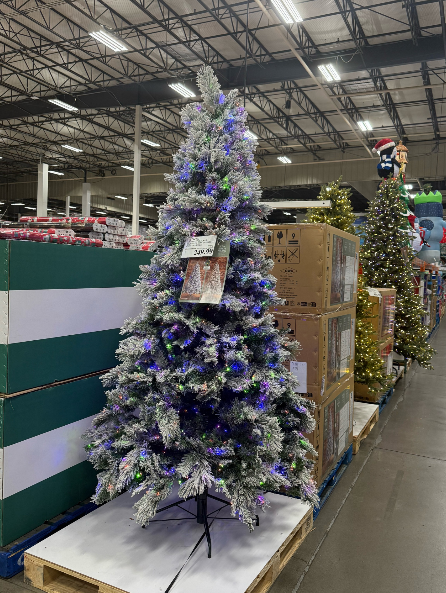
Now, let’s evaluate Thanksgiving. The weather has turned more “winter-y.” We’re talking some snow, brisk breezes, and the smell of wood burning in fireplaces. By now, most houses are adorned with twinkling lights and festive decorations. This quick profile points to Thanksgiving as the more logical date for the season’s beginning, but what do students at Ida B. Wells High School think?
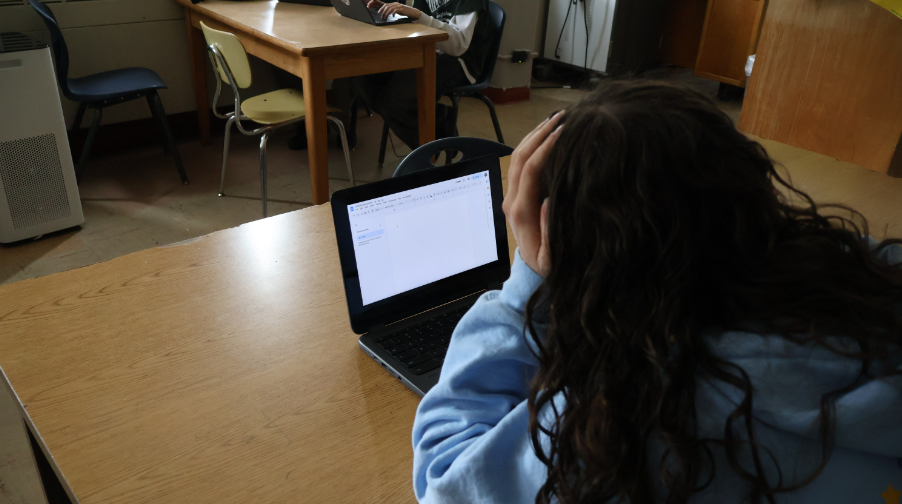
There was a recently conducted a survey of IBW students about whether the Christmas season begins after Halloween or Thanksgiving. 65.2% of respondents said the holiday season starts after Thanksgiving, while 27.3% said it starts after Halloween. Another 7.5% had a differing response other than those two days.
Students who argue that the season begins right after Halloween describe Nov. 1 as an instant switch from “spooky season” to “holiday spirit.” Many say that winter menus and early promotions act as the unofficial start. “That’s when everything holiday-related comes out,” said Maddie Pillsbury, a senior at IBW, pointing out companies that push the idea of early celebration for the next big holiday(s). Other students simply enjoy the excitement, saying they start Christmas music and movies right after Halloween. “If we only start celebrating after Thanksgiving, it’s not enough time!” responded Libby Benn, an IBW senior. For these students, fall already feels like it’s fading, so starting early simply makes sense.
On the other hand, some students believe Thanksgiving deserves its own space and shouldn’t be rushed past. Many emphasize respect for the holiday and its traditions. Gianna Clervi, a sophomore at IBW, says, “You can’t just overshadow Thanksgiving day.” Others mention that fall weather is still present, and Christmas is definitely a winter holiday, so decorating or celebrating early feels “off.” Others, believe that due to Thanksgiving’s complicated origins it puts them off from celebrating it. However, Thanksgiving still holds meaning for many families, and several students compared early Christmas celebrations to jumping ahead in other seasons. “You don’t start celebrating Valentine’s Day before New Year’s,” said Jane Henson, a junior at IBW. To these students, Thanksgiving is a natural seasonal pause before the winter holidays truly begin.
Across both groups, students widely agree that businesses play a huge role in pushing Christmas earlier each year. Many see stores as responsible for turning Christmas into a two-month-long celebration for profit. Students pointed out that decorations, merch and Starbucks’ themed holiday drinks appear almost immediately after Halloween or even in mid-fall. Moreover, big corporations often skip over Thanksgiving and fall holidays simply to encourage spending. Whether people think the holiday season precedes Thanksgiving or Halloween, they all agree that early Christmas marketing is more about money than “tradition.”
Students from non-Christian backgrounds also expressed their frustration, with many Jewish respondents pointing out that Christmas is only one day and doesn’t require months of buildup, whereas holidays like….
Although most IBW student respondents decided the holiday season begins after Thanksgiving, the wide range of responses shows that all perspectives still matter and are true. Whether someone starts celebrating on Nov. 1, waits until after Thanksgiving or follows their own traditions, each viewpoint reflects everyone’s personal opinions. Every one of those opinions is valid, reminding us that the holiday season looks different for everyone.