The special education system in America has been declining for a while now, with recent tax cuts and lay-offs leading to underpaid teachers and fewer resources. This has and will lead to many negative impacts on students and families who need extra support.
The Trump Administration is on a crusade against education. He has laid off 415 Department of Education employees, 121 being from the Office of Special Education and Rehabilitative Services (OSER). The Rehabilitation Services Administration, part of OSER, has gone from around 60 members to only three.
All of these cuts happened during the 2025 government shutdown. With these budget cuts, services for disabled children will be less accessible. 15% of students in America are in special education, with Portland having a higher rate of 16.5%.
Portland Public Schools (PPS) has been facing a $40 million budget shortfall, leading to a $30 million budget cut in 2022-23, and has stopped hiring non-teaching positions. These positions include special educators. 150 special education teachers have already been unassigned, meaning their positions are gone.
Under-funding programs for the disabled in the United States isn’t a new phenomenon. In the past 50 years, the Individuals with Disability Education Act (IDEA) has never been fully funded, according to congress.gov. The closest IDEA has been to its funding goal is 40%. IDEA’s usual funding is around 15%.
“Back before I started teaching, there were more paraeducators in the learning center,” says an anonymous case manager at Ida B. Wells High School, “but [now] there aren’t even enough paraeducators hired for the positions that are available.”
Taking away systems that people depend on has dire consequences. For example, intellectually disabled children who don’t receive guidance or extra support have a much lower chance of obtaining a job in the future. With no job, disabled people, who likely need more money than the average person to thrive because of medication and other aids, are unable to support themselves.
Portland, Oregon, already has a high population of homeless people, with 48% of homeless people in the tri-county area: Multnomah, Washington, and Clackamas counties, being chronically homeless. Chronic homelessness is defined as a person being homeless for over a year and having a disability, such as a drug addiction, physical or intellectual disability or mental illness. With these recent budget changes and lay-offs, this number will likely increase.
Homelessness, drug use and mental disorders are closely tied. Many disabled people are prone to addiction. Factors like social ostracization, increased mental health disorders and brain functions that are predisposed to addiction are to blame. By decreasing assistance for disabled people, the government is actively causing more people to be on the street.
Many of those issues are sourced from public schools, which begs the question: are the special school programs in PPS better?
The Pioneer Special School Program in Portland, Oregon, is riddled with problems. Teachers that are, what other paraeducators would describe as improperly trained, potentially traumatizing students with overabundant improper physical restraints, as they weren’t taught better. As written in a 2022 draft of the PPS Continuous Improvement Plan. “Our students are being restrained at a higher rate than their peers within the district. We will need to take steps to decrease the use, as it is traumatizing to students and will only be used as a last resort.
Pioneer itself stated a goal of reducing restraints by 50% by the 2022-23 school year, but the numbers have counterintuitively increased. Thankfully, Pioneer physical restraints have gone down in 2025. “Its [Pioneer’s] rate of physical restraints has gone down by a lot this year,” says IDW case manager.
This segways into the numerous mental impacts on students, parents and teachers involved in the special education program.
Limited resources lead special education students to feel neglected and, in some cases, hopeless. They are also more prone to depression, with studies from the National Library of Medicine backing this up: “various demands [demands put on parents] persist throughout childhood and later into adult years, leading to ongoing parental stress. Additionally, a large number of these children have behavioral issues, which can lead to higher levels of parental stress.”
Disabled students can find it difficult to socialize with their peers and to communicate their feelings to those around them, so teachers who work with these students should be aware of the signs of poor mental health and how to manage it. Depression and anxiety are harder to pinpoint than aggression or hyperactivity, but those disorders are just as, if not even more, detrimental to these students.
Parents are affected too, with mothers being disproportionately affected, as they are typically the main caregivers of their children. A parent with a disabled child has many possible things to be anxious about: whether their child can have their own future, how to manage their child’s unusual behavior, struggles to properly communicate with their child, a lack of understanding of their child’s illness and sudden regression in progress with their child, among other issues. Many parents feel overwhelmed, and yet the help they need is constantly being cut and defunded.
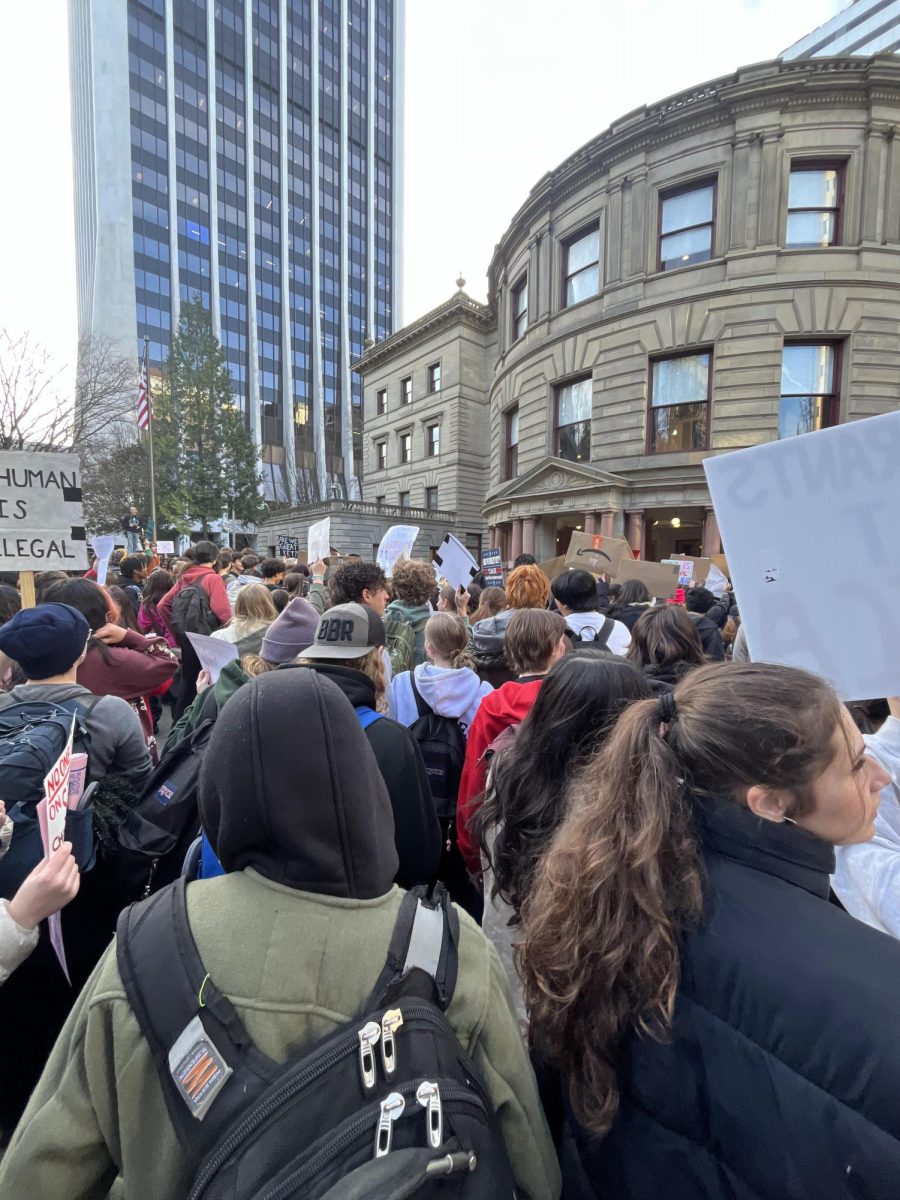
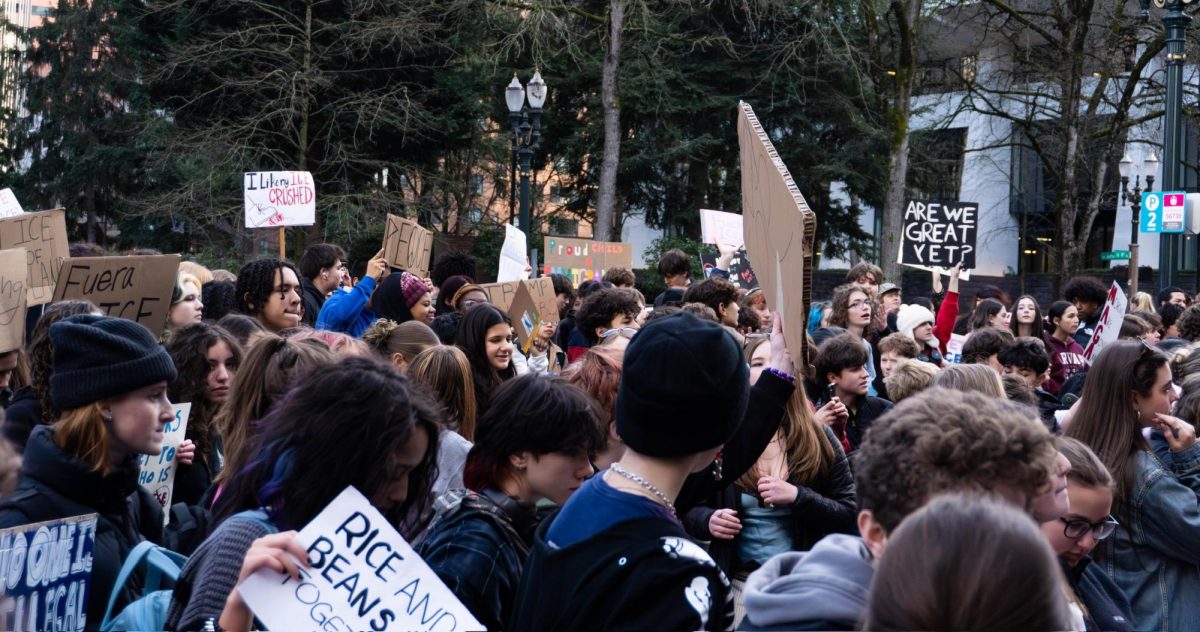
PPS union members and students have rallied against these cuts, bringing more awareness to this overlooked issue. The special education program requires more funding, and has been for years. With recent budget cuts not only affecting all of America, but specifically Portland too, it is a concerning trend that has solid evidence proving its harm.