On Dec. 1, 2025, U.S. Immigration and Customs Enforcement (ICE) launched Operation Metro Surge, a targeted program intent on high-stakes efforts to detain and deport undocumented immigrants, primarily in Minneapolis and St. Paul in Minnesota. Thousands of ICE agents were sent to these cities to join the original 150 officers (pre-surge).
The largest immigration enforcement operation in history, according to the Department of Homeland Security, came under scrutiny as violence rose. Federal agents killed two U.S. citizens in Minnesota, Alex Jeffery Pretti and Renee Nicole Good, inspiring several widespread protests across the country. The deaths raised questions about the officers’ authority and follow-through, ultimately encouraging changes to the program, which were made in mid-February.
Additionally, while the Trump administration claims that only “dangerous criminal illegal aliens” were involved in ICE arrests, “many people with no criminal records, including children and U.S. citizens, have also been detained,” according to PBS.
Among these arrests was that of Liam Ramos, a five-year-old boy detained on Jan. 20, 2026. He has since been released, but the incident sparked public outrage.
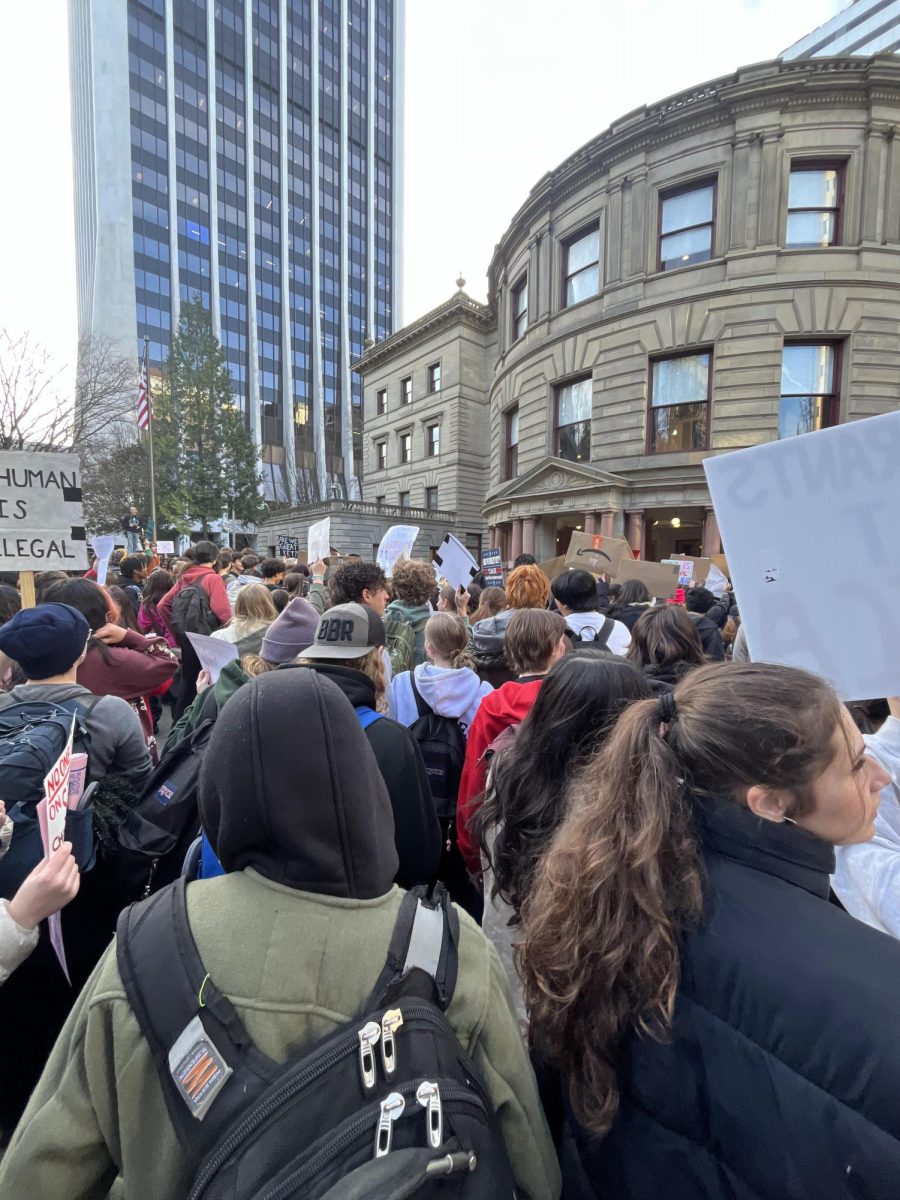
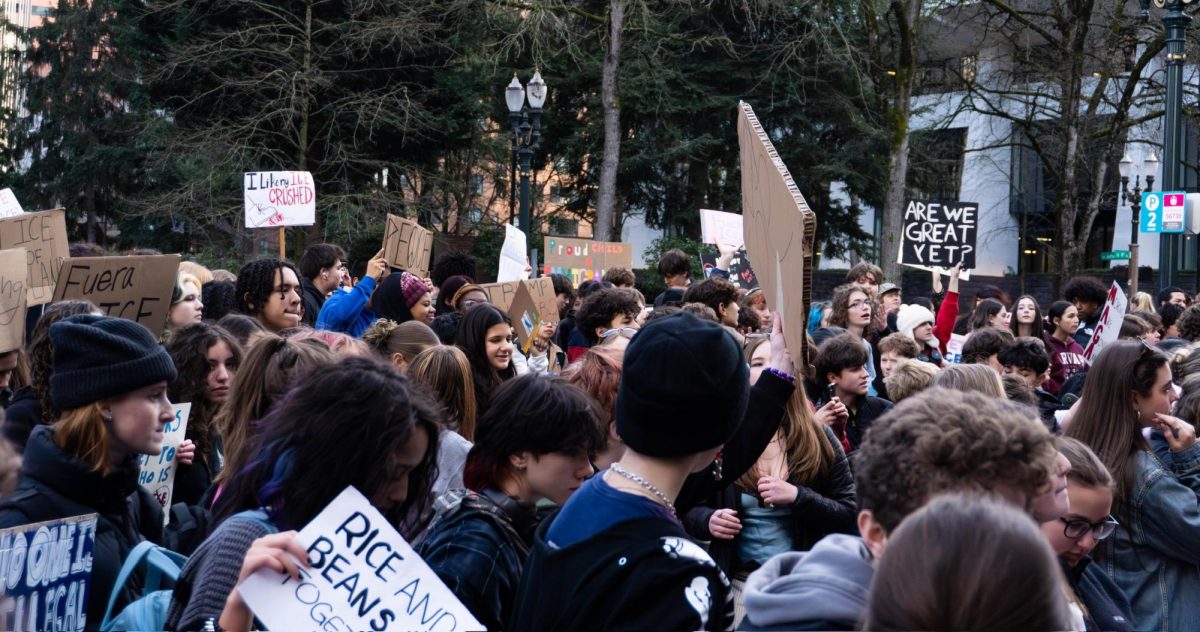
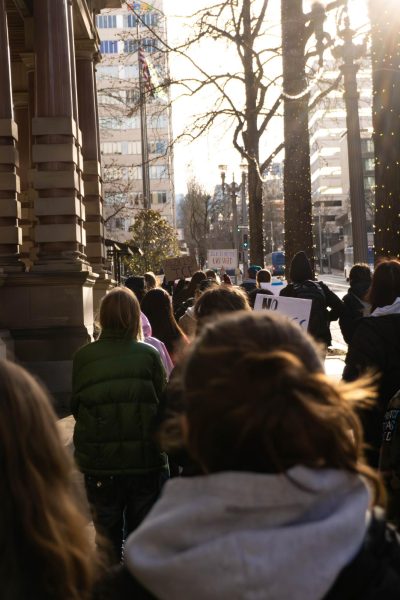
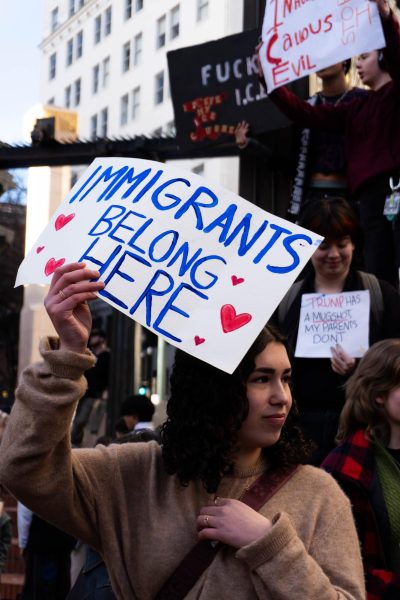
Since December, thousands of Minnesotan citizens have taken to the streets, demanding “ICE out of MN” and protesting the mass deportations and violent actions taken by law enforcement. Many protesters faced federal agents, with many reports of officers using force against demonstrators.
In early February, Minnesota Governor Tim Walz told Trump administration officials that he expected Operation Metro Surge to last “days, not weeks and months.”
Later that month, Walz mobilized the Minnesota National Guard to assist local law enforcement, “protect Minnesotans’ safety and maintain peace.”
On Feb. 12, 2026, Border Czar Tom Homan of the Trump administration announced that the operation would conclude, with a smaller ICE force to remain in the Twin Cities. “We already removed well over 1,000 [agents], and as of Monday, Tuesday, we’ll remove several hundred more,” Homan said. “We’ll get back to the original footprint.” He also “cited an ‘increase in unprecedented collaboration’ resulting in the need for fewer federal officers in Minnesota, including help from jails that hold deportable inmates,” according to PBS.
Walz responded in a statement: “We’re very much in a trust but verify mode,” he said, and added that he was awaiting more information from the Trump administration about the future of federal enforcement in the state.
Now, as of Feb. 23, 2026, there are fewer than 500 federal ICE officers in Minnesota, according to federal officials. Even so, this is three times the number of the pre-surge 150 agents.
But what’s changed in the Twin Cities?
Federal officials claim ICE activity has reduced since Homan’s announcement on Feb. 12, but many Minnesota observers and elected officials say this is not the case. Many have noticed ICE activity shift to suburban neighborhoods such as Fridley and Columbia Heights, rather than disappear altogether.
State Representative Lucy Rehm, DFL-Chanhassen, said that ICE’s tactics have changed, with an increase in drone and helicopter activity in her district, but that she hasn’t noticed a decrease in the number of ICE officers in her neighborhood.
“It seems like Operation Metro Surge has morphed into something else, and I’m not sure what that is,” Rehm told Sahan Journal.
Avonna Starck, a resident in Fridley, Minnesota, noted that ICE is now using covert tactics in her neighborhood.
“They’re much stealthier,” she told Sahan. “They’re not in full military garb. They’re wearing jeans, they’ve got baseball caps on, you really have to look for them now.”
Even following Homan’s announcement, ICE observers and documenters have continued to be targeted in Minnesota. State Senator Erin Maye Quade, DFL-Apple Valley, told Sahan that there was a quick increase in aggressive ICE behavior in the days following the announcement, adding that “agents followed observers to their homes, drove at them, boxed them in and sat outside their houses,” according to Sahan.
Additionally, many elementary and middle schools in Minnesota have not returned to normal after the surge.
Several schools offered online distance education as an option following the death of Good in early January, and some schools switched to online learning entirely. Fridley Public Schools, a district with a high concentration of immigrant students, began offering distance education as an option beginning in January for the hundreds of children too afraid to leave their homes.
School staff members and volunteers have been delivering groceries to families as well as guarding crosswalks at school dismissal and arrival times.
Fridley Public Schools Superintendent Brenda Lewis spends two hours each morning and afternoon patrolling the streets and parking lots surrounding her school buildings in a school van, looking for signs or instances of ICE agents disrupting her district’s work.
Lewis hoped school activities would return to normal following Homan’s announcement, but says that there’s still plenty of evidence that ICE continues to interrupt daily life for students, staff and families in her district, as well as others across the state.
“I guess maybe it was a false hope, but I kind of thought it (ICE activity) would be back to pre-surge levels today, and clearly it’s not,” Lewis told MPR News.
After ICE’s intense presence in Minnesota during Operation Metro Surge, many people hoped its activity would decrease following Homan’s announcement. However, ICE remains present, with community members and schools suffering under its weight.