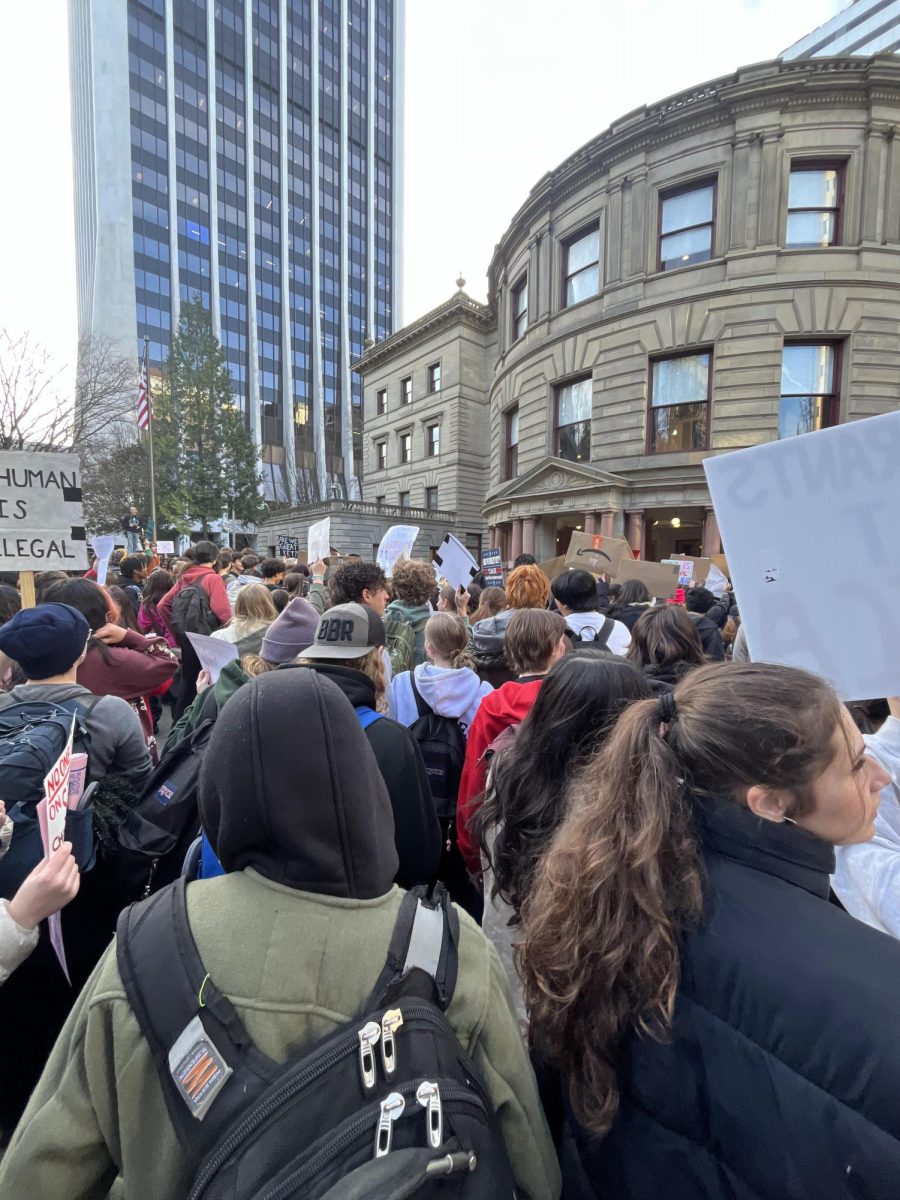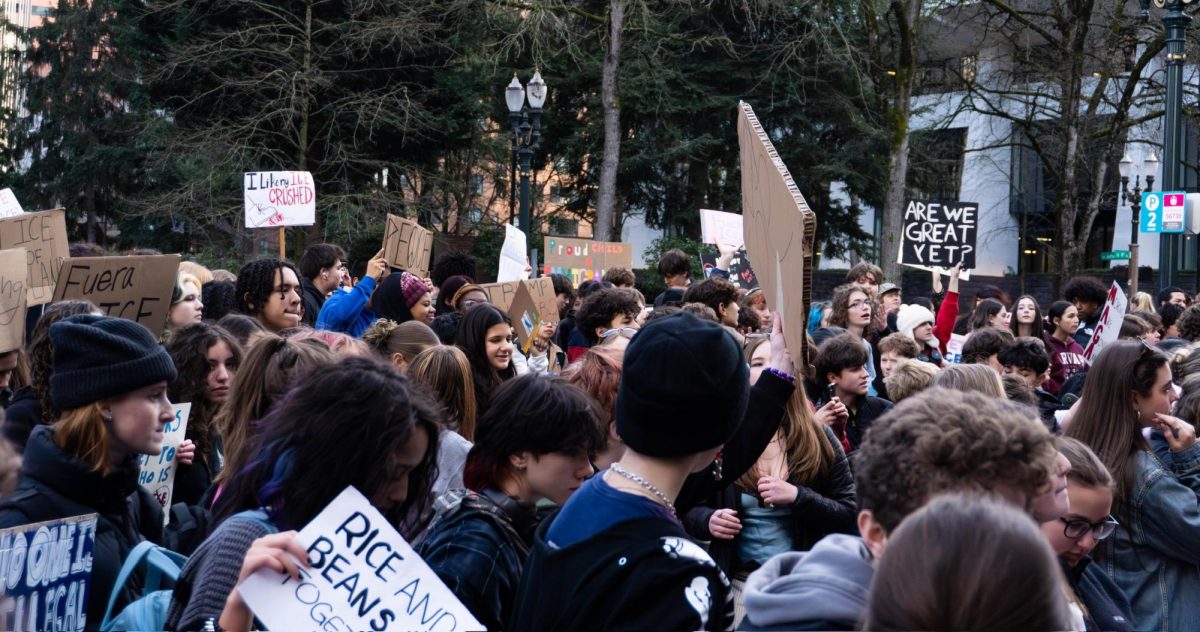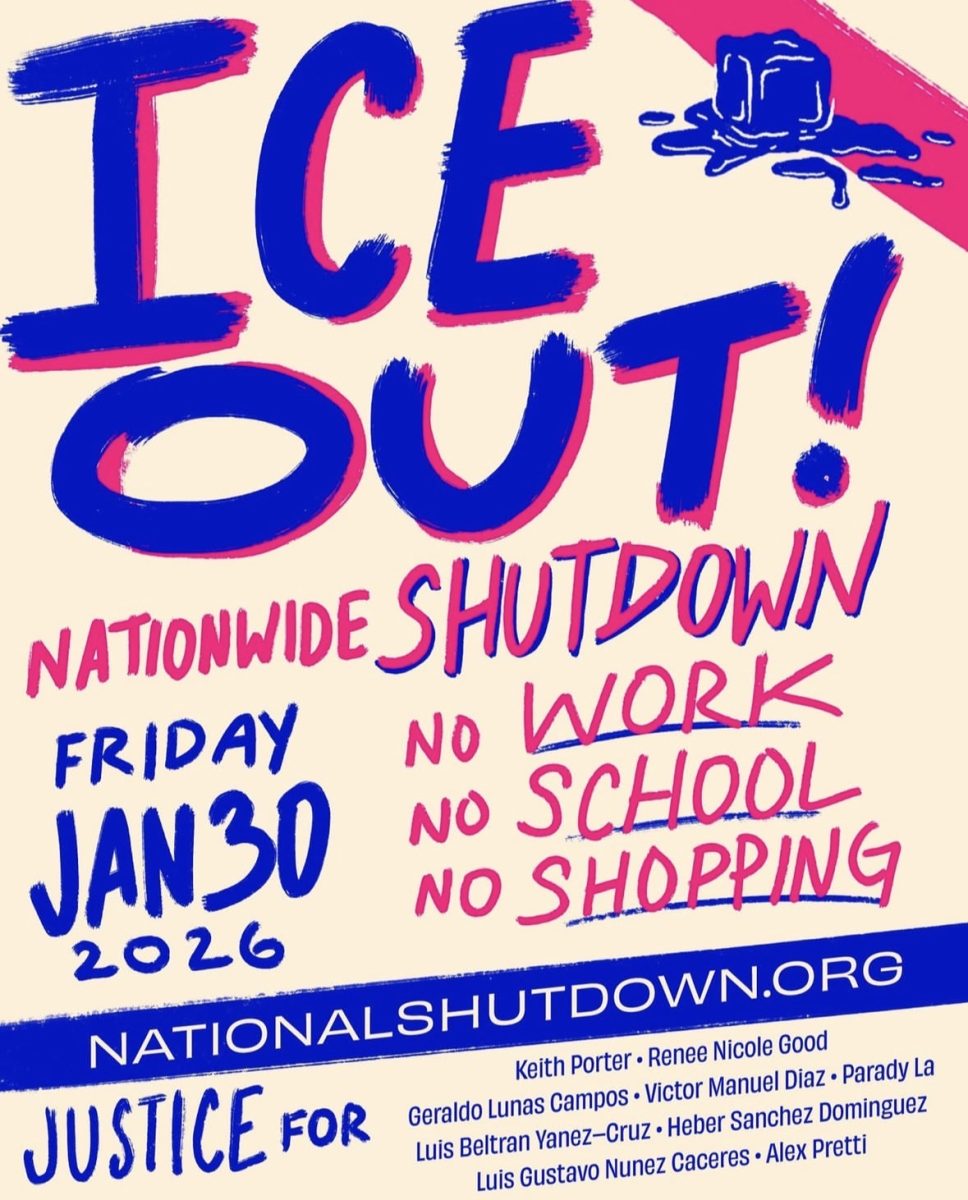
On Jan. 30, thousands of US citizens participated in protests across the country against ICE and the Trump administration. These included a strongly encouraged nationwide shutdown of businesses and student walkouts from schools. Protesters also took to social media to voice their opinions, calling out the government for their recent violent actions towards immigrants.
A large portion of the organizers for the nationwide shutdown were college students in Minnesota, where the deaths of Renee Good and Alex Pretti at the hands of ICE officers took place earlier this year. The Jan 30 protests were specifically directed towards ICE as non-violent economic boycotts, aiming to put pressure on the government and federal agents.
The phrase “No work, no school, no shopping” was used by the organizations that organized the national shutdown to encourage citizens not to buy or sell anything, or go to work or school, in order to create an economic and labor blackout. Businesses across the country closed to ally with the cause, and people stayed home from their jobs or classes to show their support.
At Ida B. Wells, many students took part in this national call to action by not attending classes, noticeably shifting the vibe in the hallways and classrooms. According to IBW’s attendance clerk Kathy Lommen, “about one-fourth of students were not at school,” out of approximately 1,600 total students. This is considerably larger than the usual number of absent students, showing how deeply IBW students care about the recent ICE events beyond their community.
“I think that acts of civil disobedience are excellent and it’s a super wonderful use of people’s time and energy,” says Lommen. However, she isn’t sure how impactful weaker attendance will be. “I don’t know if students are going to have that much effect by just staying home. Demonstrations like this are a great use of time, but I don’t know how it will be felt by the larger community or people in power.”
Lommen brings up an incredibly important point about this kind of protest. By simply not going to school, are students having much of an impact on society at large? Participating in the national shutdown might not truly be that effective on the US government, but it brings power to students who want to do something to show their opposition to Trump and ICE.
“It’s super important to give students, especially those who can’t vote, a way to express their opinions,” says IBW student body president Ainsley Porter. “I think protesting and walking out can be a super powerful way to do that, because even though you might not be directly [creating] change, you can feel empowered to make change in a different way.”
Although students not attending classes didn’t actually shut down the nation, they still contributed by making a statement with their absence, in addition to participating in the economic blackout portion of the shutdown. “If students are not spending money, that is something tangible that will be felt in society,” says Lommen.
A nationwide shutdown like the one that occurred on Jan 30 can be hard to deal with for many adults as well as students. Part of the “No work, no school, no shopping” objective forced participants to decide if they were willing to take time off from their jobs and potentially earn less money to stand with a cause they believed in. Forms of activism that require the protesters to potentially sacrifice their personal well-being can lead to a difficult choice for the protesters to make, whether it lies in their physical safety or financial stability.
“I am participating in some ways. I am not spending money today,” says IBW Social Studies teacher Tim Loveless. “It’s important to me [to take part in the nationwide shutdown] because it shows the power of individuals. We often feel powerless, and I think the powerful forget their power is built on our backs.”
Protesting can be physically dangerous, especially in cities where ICE or federal agents are stationed. Many protests throughout history have resulted in violence, even though they were meant to be peaceful. The Jan 30 national shutdown didn’t require participants to actively protest in the streets, but it gave them the option to ally with the cause whether they simply skipped school or actually marched with a crowd.
“I think that the shutdown is a very effective way to protest because it brings attention to the issue and can give people time to take an action they may not otherwise have taken,” says IBW Spanish teacher Amy Durham. “I proudly stand in solidarity with our immigrant neighbors, those who work to protect their rights and safety and with the people of Minneapolis who have experienced horrific treatment by masked and armed federal agents… I feel that it is my responsibility as a citizen to speak out by attending nonviolent protests, supporting the shutdown, etc… to show those most harmed by these unacceptable tactics that they are not alone.”
Speaking out against ICE is incredibly important to thousands of people, so they chose to shut down their everyday lives to show their dedication. Protesting for a cause you believe in is a privilege that is easily accessible to some, but for many people who rely heavily on financial stability have to sacrifice valuable time in work or school to speak out with their community.
Despite the risks that went with protesting on Jan 30, the US citizens who participated or allied with the movement succeeded in making a huge statement and progressing with the battle against ICE. Financial stability and safety issues complicate the effectiveness of protests like the national shutdown, but social activism is incredibly important to standing up for a cause. More anti-ICE protests are said to take place in the next few months, and Portland Public Schools students are taking charge of speaking out against injustice.