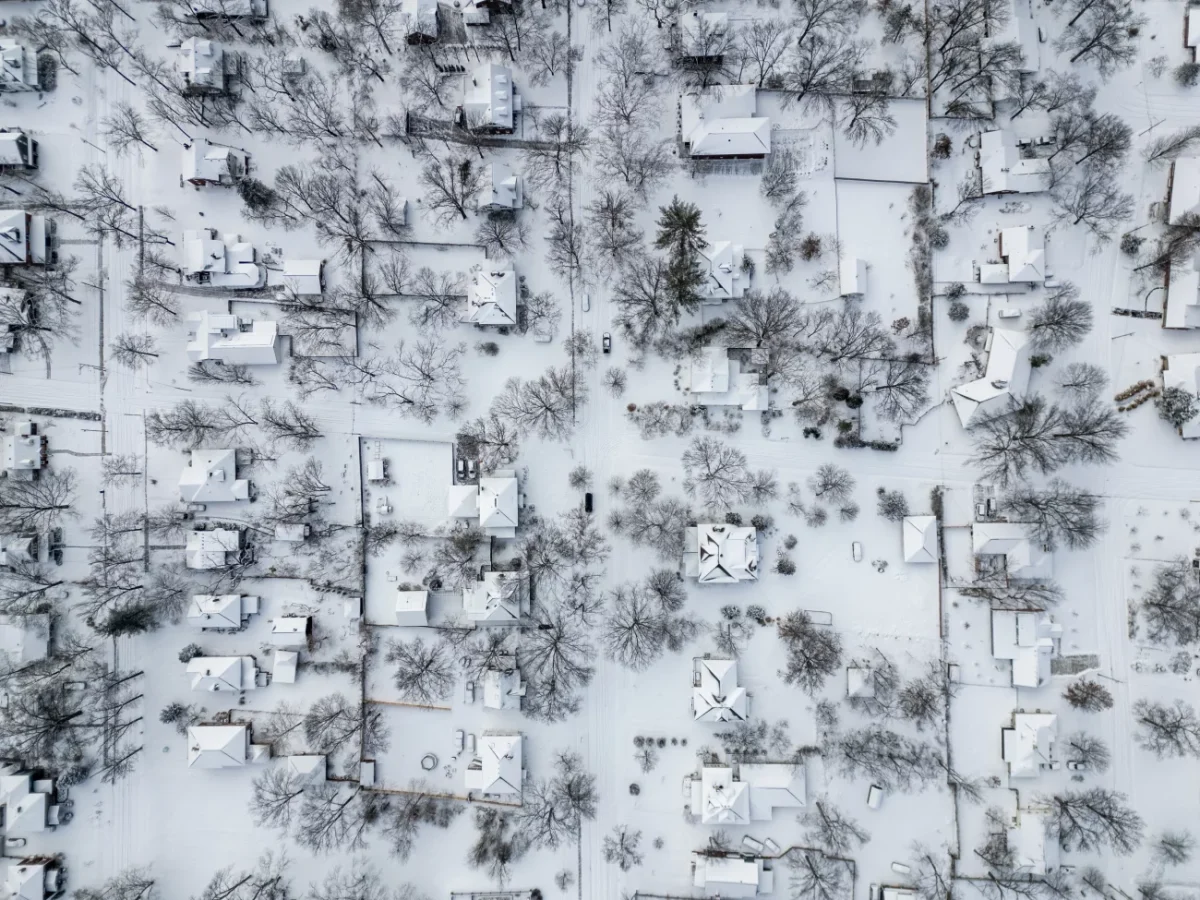
Many states across the country have been severely affected by winter storms this year, with some areas experiencing temperatures below freezing for several days. Regions such as Pennsylvania and New York were hit the hardest. Extreme cold warnings were issued for millions from the Great Lakes to the Gulf Coast on Tuesday, Jan. 27, 2026, as communities across the eastern third of the United States began repairing damage from a massive winter storm that resulted in around 51 fatalities.
A potent winter storm, unofficially named the Winter Storm Fern, left a wide band of snow stretching across the country, from the southwest to New England, in late January. The heavy snow, along with bitterly cold temperatures, sleet, and ice, created treacherous travel conditions, toppled power lines, and caused widespread school closures, according to news reports. Preliminary data from the National Weather Service indicated that some areas in Oklahoma saw snow accumulations of up to 12 inches between the mornings of Jan. 23 and Jan. 26, with even higher totals reported across the Midwest and New England. Several Northeast states reported totals of around 20 inches. Some locations contended with record daily accumulations, including 5.1 inches in St. Louis, Missouri, on Jan. 24 and 11.2 inches in Pittsburgh, Pennsylvania, on Jan. 25.
In the days following the storm, dangerously cold weather lingered. For example, the temperature in Alliance, Nebraska, dropped to minus 26 degrees Fahrenheit on Jan. 24, marking the lowest daily minimum temperature recorded for that date, according to preliminary National Weather Service reports. In the South, an extreme weather warning was in effect in south-central Texas overnight on Jan. 26, with temperatures dipping into the single digits.
By Jan. 27, parts of the South began to experience slight warming, but wind chills reaching down to minus 20 degrees Fahrenheit continued across the Midwest and Northeast. These conditions made it hard for many Americans to find resources for their families.
Marrla Wilkinson, an English teacher at Ida B. Wells-Barnett, stated that in the event of a severe winter storm in Portland, it is crucial to be prepared to feed everyone who lives with you for multiple days and provide an accessible space for the community. “It is really important that if the roads shut down due to snow, people can walk to community facilities safely to get the resources they need.”
The recent storms throughout the U.S. were particularly tragic for homeless individuals and their pets, who lacked shelter in the cold. These individuals faced a significantly higher risk of hypothermia, which only led to a few fatalities.
The U.S. also experienced a significant number of flight cancellations due to the winter storms. Extreme weather conditions led to cancellations of air travel to various destinations, complicating the plans of families trying to return home before the storms intensified. The disruptions persisted throughout the end of January. Mark Valentine, a geometry teacher at IBW, said, “It is very difficult for families to get home when only 2 flights are going to that place per day; these flights would be packed due to the low number of them.” This often left people stranded for days while waiting to get back home.
The unexpected storms dramatically affected entire communities, damaging homes and causing some deaths, often due to a lack of preparedness. It created significant challenges for air travel, with thousands of flights being cancelled or delayed across the country. So, remaining aware of the dangers posed by winter storms and ensuring we have plans in place to respond effectively is crucial to survival during the winter months.