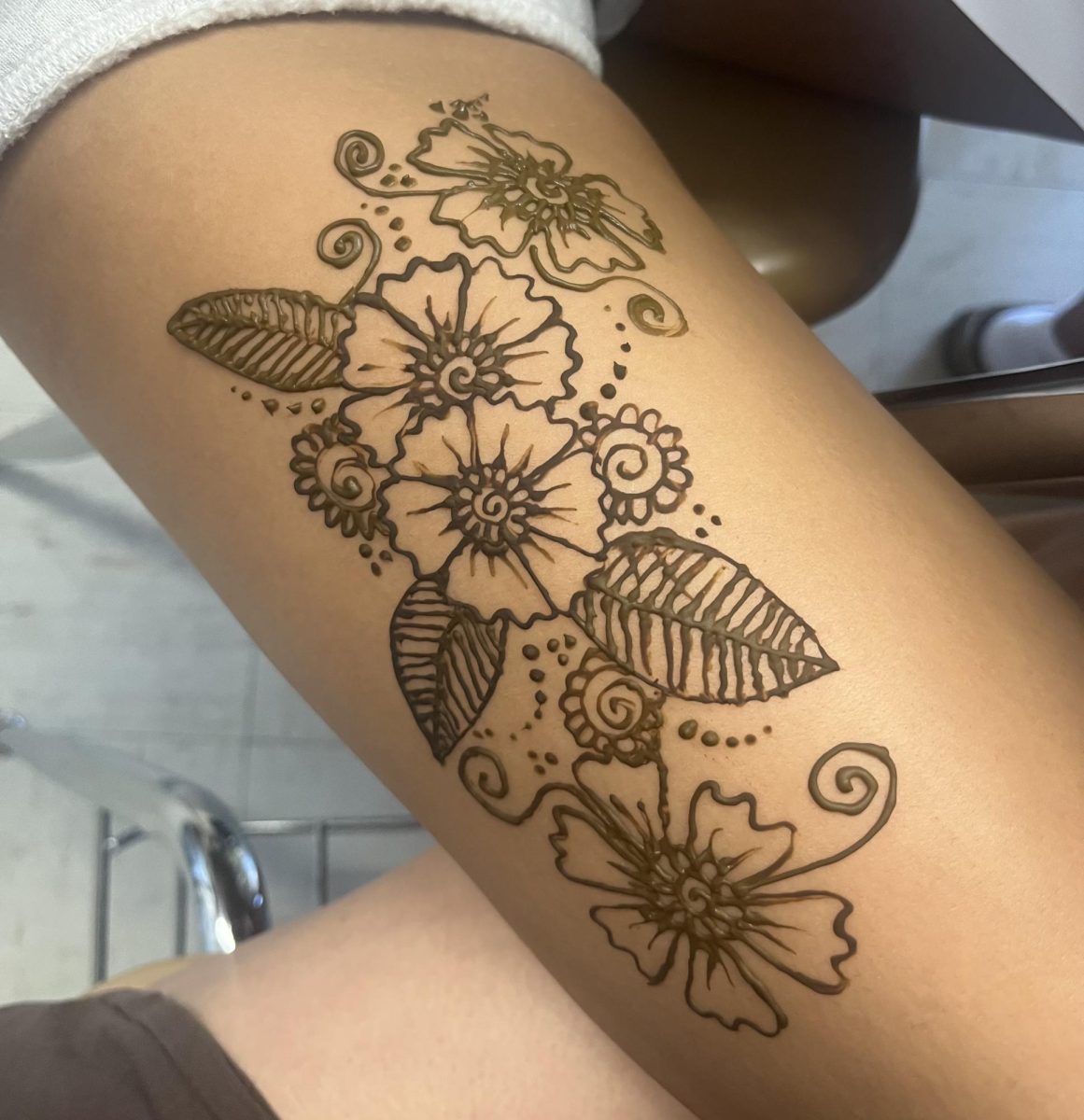
The art of henna is full of both history and cultural significance. It has been practiced in Pakistan, India, several regions of Africa and West Asia for over 5,000 years and now it has made its way into modern culture, extending to Ida B. Wells High School.
According to St. Thomas University, henna has been used for over 5,000 years for its natural cooling properties that benefited people living in hot desert climates. It would be soaked onto the soles of the feet and the palms of the hands to provide a chilling effect. It was also used for medical purposes, treating burns, open wounds, stomach aches and headaches. However, henna would also stain users after application. This staining of skin, hair, nails and clothing grew into an art form, also becoming part of fashion, status and symbolism in certain cultures.
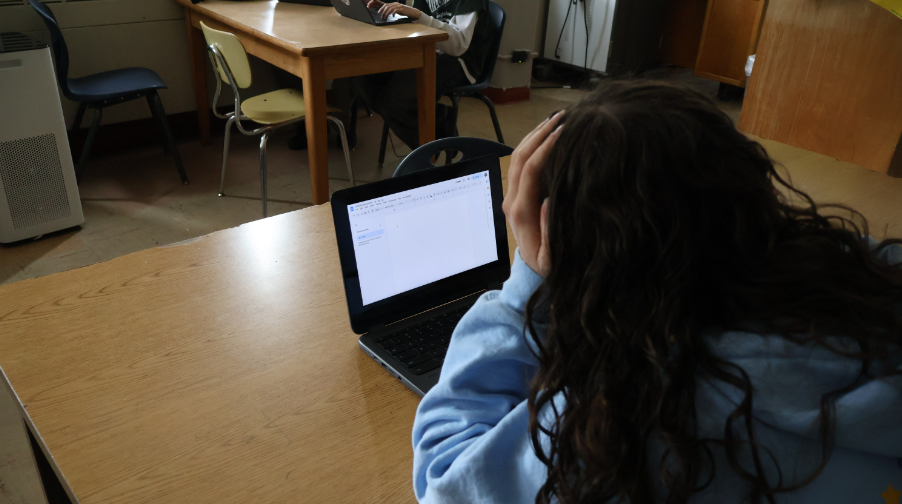
At IBW, henna has become increasingly popular. Oftentimes, school-aged children will use markers to draw on their skin. A great alternative is henna due to its similarity to a temporary tattoo. Purchasing henna cones on Amazon is cheap and easy. It’s also the perfect size to fit in a backpack pocket.
Maham Luqman, a senior at IBW, enjoys doing henna during the spring and summer. Luqman has experience with traditional henna, specifically from her family. “My mom gets the henna I use, and usually buys it from Indian stores. Traditionally, henna usually comes from a cone,” she says.
“For spring and summer, it’s a very good outdoor activity. [It involves] flowers and floral designs. That is something that shows what spring and summer is about,” says Luqman. Henna is very intricate and can take a lot of time. “For me personally, yes [It takes time], but it’s also very relaxing.”
As for how henna is made, it comes from the plant Lawsonia Inermis. The leaves, stems and flowers of this plant are crushed into a fine powder and mixed with water. The plant contains a copper-colored dye molecule called lawsone. This molecule is released slowly when the crushed plant binds to proteins, which makes the stain on our skin, hair and nails.
Today, henna is used in various celebrations such as weddings and birthdays. Henna symbolizes good health and prosperity in marriage. In some cultures, the darker the henna stains, the deeper the love.
Henna is a perfect hot-weather activity and many students can’t wait to see what designs IBW is rocking this spring. Be on the lookout for henna at IBW and encourage your friends to do the same.