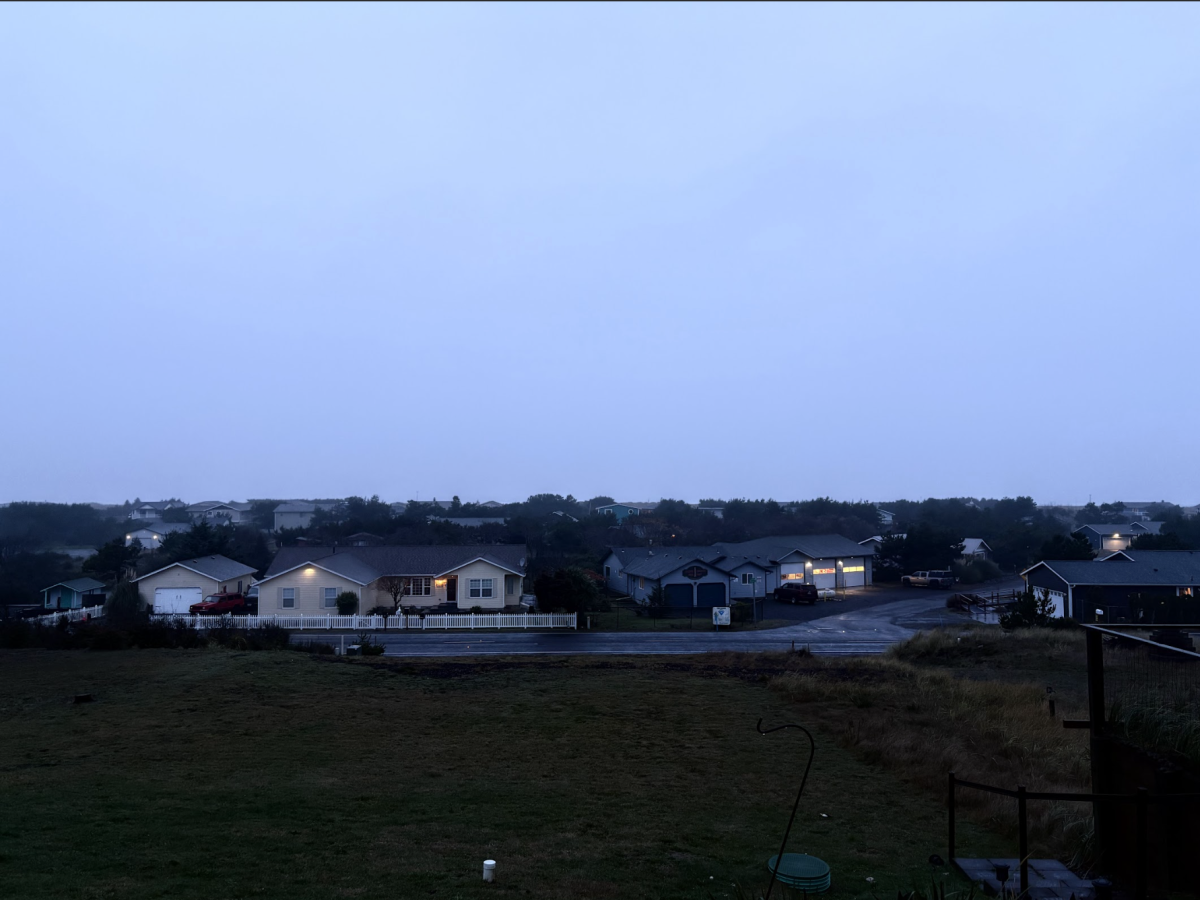
“Human bodies are like plants and we need certain nutrients from the food we eat and from the sun,” says Emilee Refvem, Ida B. Wells High School’s psychologist. As the weather begins to shift from boiling to downpouring, it’s hard to remember to find motivation, and to stay positive during the dark times that are ahead. For people who live in Oregon, especially in Portland, this feeling is amplified, creating a seasonal depression. “Without those nutrients [from the sun], eating habits start to change, sleeping habits start to change, our body starts to wilt; people may wanna sleep too much, might have changes in appetite, start losing interest in things they might normally enjoy, also find[ing] it harder to do tasks,” says Refvem.
The National Institute of Mental Health (NIMH) indicates that people with seasonal depression, especially winter-pattern seasonal depression, have reduced serotonin, a hormone that regulates mood. People who have seasonal depression often sleep more throughout the day, experience increased carbohydrate cravings, social withdrawal, and feel lethargic.
According to NIMH, “Research suggests that sunlight affects the levels of molecules that help maintain serotonin levels. Shorter daylight hours can prevent these molecules from functioning properly.”
Vitamin D deficiency also plays a part in seasonal depression. It’s common for Portlanders to have a Vitamin D deficiency due to the cold weather, rain and short hours of daylight during the winter.
“A lot of people don’t realize a trip to the doctor to talk about vitamin deficits is a good thing to do,” says Refvem. ”A quick blood test can show if you’re low on Vitamin D.”
Everyone can feel down and not have that drive for motivation like they used to when it was sunny and hot. “As it starts to get darker and rainy, there is definitely an increase in depression and suicide ideation,” says Refvem. However, even though it feels like the weather ruins everything, it doesn’t have to.
There are still plenty of ways to make the gloomy months positive. Going outside and getting fresh air is a great way to boost your energy and mood, even if it’s just for a short walk. Spending time with friends can make a difference too, whether you’re grabbing coffee somewhere warm, going thrifting or just watching movies together.
Finding new hobbies during this winter can also help distract from the lack of sunshine. Even if it’s something small, such as baking, journaling or learning a new skill, hobbies can make the season feel more exciting. Additionally, it’s equally important to intake Vitamin D, whether that be getting sunlight when you can or taking supplements (with a doctor’s prescription).
Winter in Portland can feel long and heavy, but it doesn’t have to drag you down. The key is finding small ways to have fun, staying social and reminding yourself that spring always comes around, even if it feels like the rain will never stop. Seasonal depression is real and affects lots of people. While there are no miracle drugs to end this problem, a small solution is ensuring you don’t fall victim to Vitamin D deficiency, as it can worsen mood and contribute to poor mental health throughout the weather change. Your body is like a plant, let it grow!