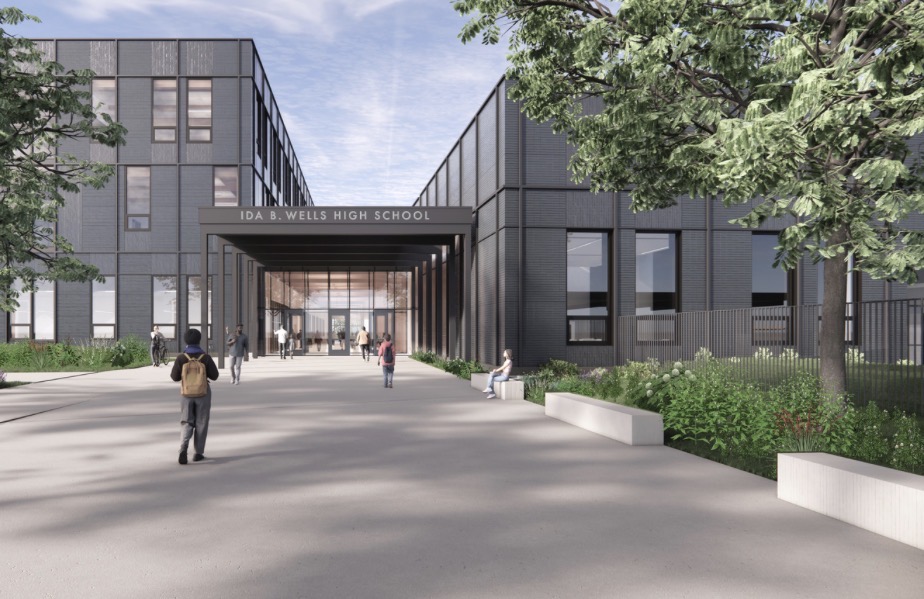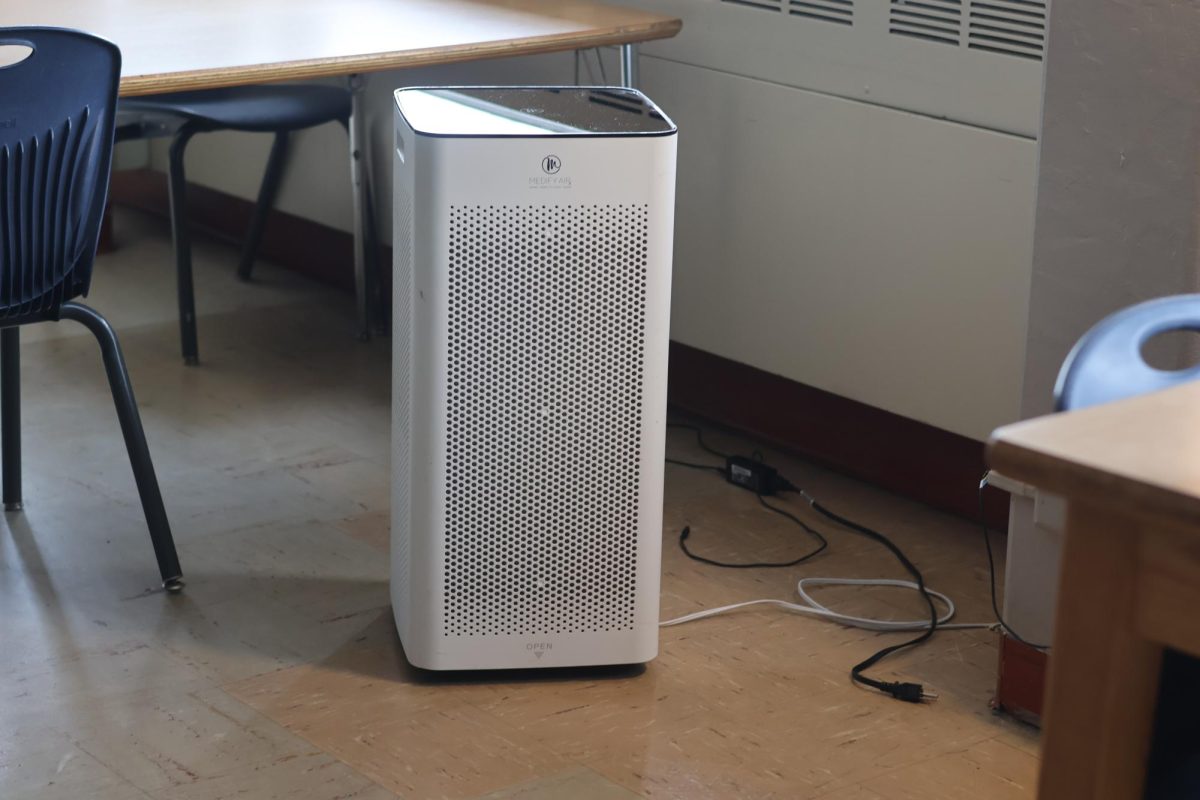
As Ida B. Wells-Barnett High School awaits its upcoming modernization, due to begin in December of 2026, the current staff and students are left to deal with the existing, less than ideal, ventilation system.
Because air has trouble circulating through this ventilation system, the classrooms tend to be very hot if they are on the side of the building that receives sunlight. Likewise, rooms on the other side stay very cold. Both of these conditions are only worsened by extreme hot or cold stretches in the outside weather.
As students and teachers know, it is hard to focus and learn in classrooms that are overheated. On top of that, these classroom environments can intensify symptoms already felt by those who might be taking medication or have a disability.
According to the CDC, “medications that may increase risk of heat related illnesses include non-selective antihistamines (e.g., diphenhydramine), stimulants like methylphenidate for attention-deficit/hyperactivity disorder (ADHD), tricyclic antidepressants, selective serotonin reuptake inhibitors (SSRIs) and diuretics.”
Many of these medications listed are prescribed for mental health conditions such as ADHD, depression and anxiety, which would increase the risk of these populations experiencing heat related illness.
“It’s not only that it’s impacting all of us, but it also could be impacting groups that are already impacted in other ways in a disproportionate way,” says Cassie Lanzas, the school librarian and media specialist.
However, temperature is not the only issue created by the building’s ventilation system. It also doesn’t allow air to circulate, which gets rid of respiratory aerosols in the air. To combat this, there has been an initiative to get air purifiers running in all classrooms at a rate that achieves six to 12 air changes per hour.
There are currently Medify and Intellipure air purifiers in classrooms around IBW, but they are insufficient, even if running at the suggested levels and when spread across the classroom to maximize airflow. Only 11 classrooms at IBW meet this suggested rate, as it varies by the layout and size of the room.
Without proper systems to clean the air, students and teachers could be at higher risk for contracting respiratory viruses, as particles remain in the air longer. Similarly, a lack of air circulation can lead to more allergy and asthma symptoms.
However, some doubt that the increased air flow from these air purifiers creates a sizable enough impact when there are already so many students in a single classroom. Additionally, some rooms are not set up in a way that easily allows air purifiers to be spread around the room to optimize air flow. The noise can also be a distraction for students.
Ensuring clean, well-circulated air in classrooms is more than just for comfort: it is essential for promoting health and equity for students and teachers alike. While air purifiers at IBW offer some relief, the current system still falls behind recommended rates.
As the school awaits the upcoming modernization, it is important for people to advocate for their needs and stay informed about respiratory health to promote healthy and productive learning.