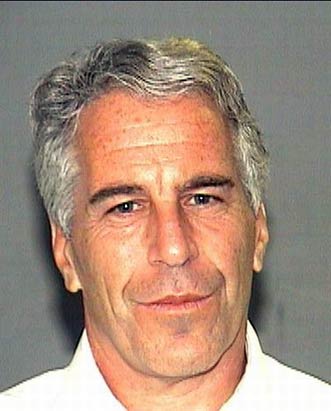
The story of Jeffrey Epstein isn’t just about one man. It’s about how money, connections and status can protect someone for years, even when serious accusations are already known to the public. Even after Epstein’s death, questions are still being asked about the powerful people in his circle and whether everyone involved was ever investigated.
Epstein presented himself as a billionaire financier who managed money for extremely wealthy clients. He surrounded himself with famous, influential people including former president Bill Clinton and British royal Prince Andrew.
Having connections like this helped create an image of credibility and importance. To many outsiders, he looked untouchable.
But underneath his untouchable mask lay a dark secret. For years, Epstein abused underage girls and used a complex system of recruitment and grooming. Victims said they were often pressured to bring other girls to him. His associate Ghislaine Maxwell was later convicted of helping recruit and groom victims, confirming that Epstein’s crimes were not carried out alone.
In 2008, Epstein made a controversial plea deal in Florida that let him avoid major federal charges and serve a short jail sentence with unusual privileges. The agreement also protected possible co-conspirators and kept victims from being told ahead of time.
This deal happened before Pam Bondi became Florida’s attorney general in 2011. However, since many of Epstein’s crimes and victims took place in Florida, people later questioned whether state authorities during her time in office could have pursued more investigations connected to Epstein’s network.
You might have heard claims online that there was a list of about 300 people connected to Epstein that authorities ignored. That includes big people like Mick Jagger, Trump, Cher, Beyonce, Jay-Z and many more. This idea comes from sealed court records in lawsuits filed by victims, where many names appeared as contacts, associates and witnesses.
Some of these documents were later unsealed in federal court in New York, and media reports emphasized that most people listed were not accused of wrongdoing.
There is no confirmed public evidence that Pam Bondi had or hid a specific “300 name list.” The controversy mostly reflects a larger frustration that Epstein’s full network was never completely investigated. Critics say Florida officials could have done more after 2011, while others argue that legal limits that came after the plea deal made that difficult.
In 2019, federal prosecutors finally charged Epstein with sex trafficking, but he died in jail before trial. His death ended the criminal case against him, but increased anger about whether others involved would ever face consequences. On the other hand, Maxwell’s conviction showed some accountability on her behalf, but many questions remain.
The Epstein case showed how wealth and influence can affect the court systems. The debate around Pam Bondi and the “300 names” isn’t really about one list. It’s about whether everyone who enabled or ignored Epstein was ever held responsible.
Years later, this incident continues to show how power can protect even the most evidently guilty people and how hard it can be to hold elite networks accountable.