Since the beginning of school in August, the Trivory calendar has informed Portland Public Schools students that the last day of school will be June 9, 2026. Students marked their calendars, planned trips and eagerly counted down the days. However, as of March 22, their countdown became three school days shorter.
On Feb. 23, an email was sent to all PPS faculty informing them of the $22.5 million budget gap for the 2025-26 school year. The two solutions presented were laying off teachers and/or taking furlough days (unplanned days where school is canceled), during which employees would not be paid. After a vote by the teachers, the furlough days were chosen.
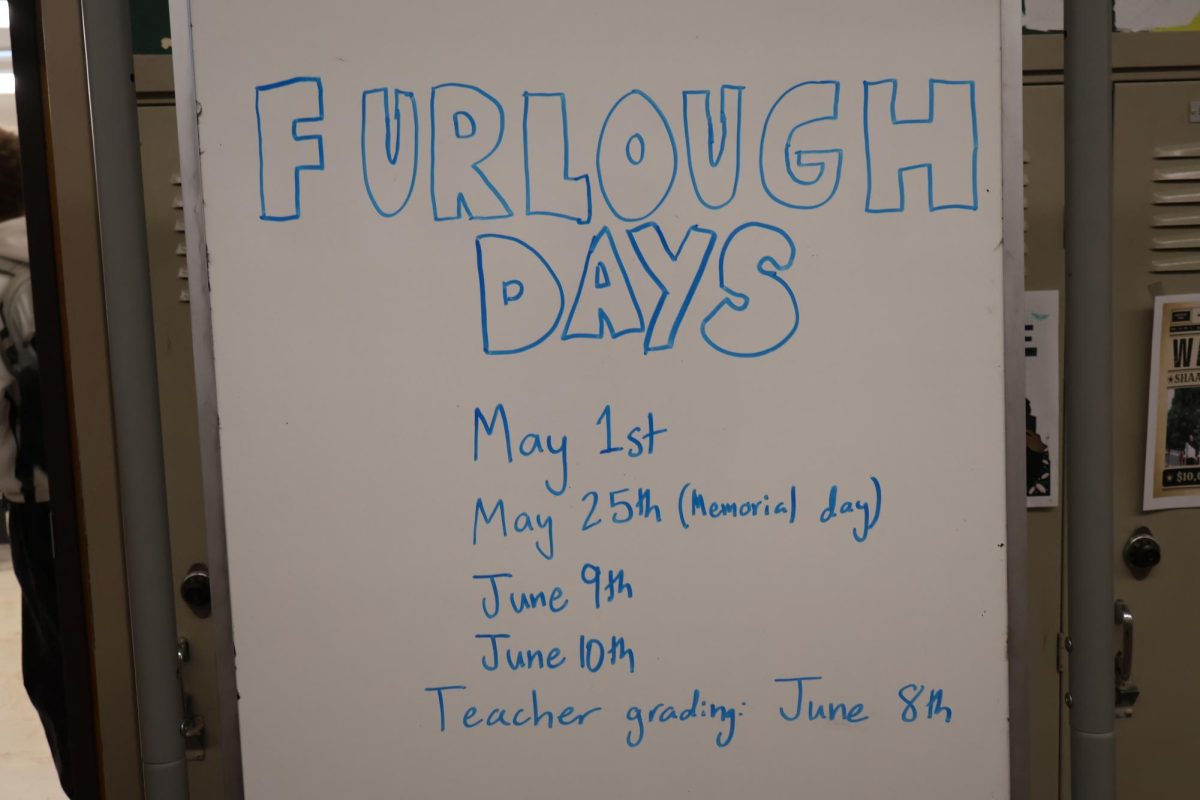
PPS subsequently implemented a total of four furlough days for teachers. Three of these days, May 1, June 8 and June have become no school days for students and May 25, Memorial day, is now an unpaid holiday for school staff. March 27 has also been furloughed for administrators, and June 10, the former grading day is furloughed and the new grading day is June 8.
For teachers, these days hold conflicting meanings.
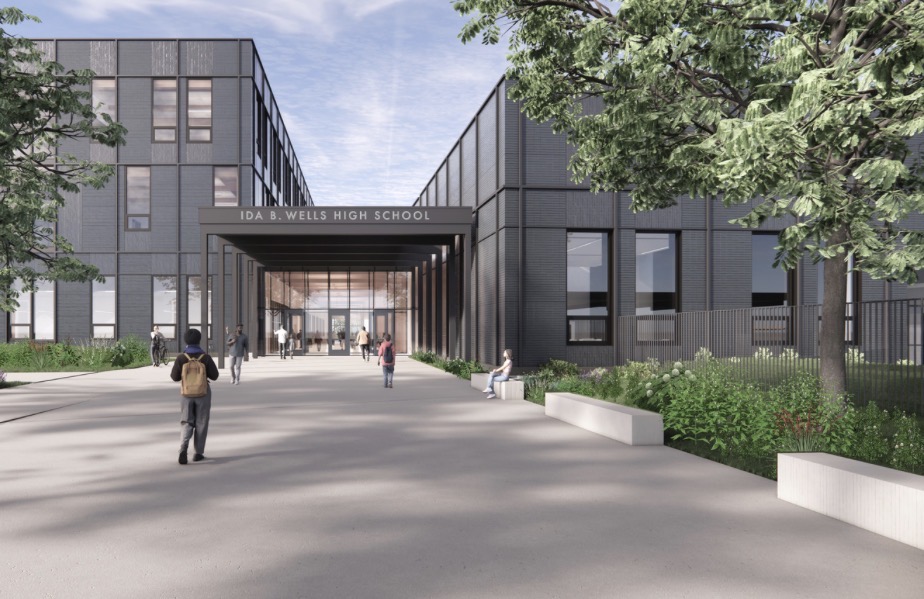
As teachers are already being laid off for the 2026-27 school year, the prospect of losing more colleagues was disheartening for school staff. “Reducing teaching staff and support staff is really hard. It’s not anything that’s joyful whatsoever, because it’s people’s jobs and livelihood.” Said Ayesha Coning, the principal of Ida B. Wells-Barnett High School. Many teachers and staff feel a sense of relief that their jobs and their colleagues’ jobs are secure for the rest of the year.
However, less school days could also cause difficulty for teachers this late in the year. Three days may not seem like much, but lessons and units are often planned down to the week. Subtracting three days from the year will inevitably lead to condensed lesson plans and difficulties, especially for AP students preparing for their test.
“Some teachers have told me that there’s large parts of the curriculum we won’t be able to do anymore…I guess the students are probably happy that there’s less work, but…[for] the teachers, it’s harder for them,” says Emma Rodasta, a freshman at IBW.
Oregon is already home to some of the shortest school years in the country. A typical Oregon school year is 165 school days with the national average being 179 school days per year, causing parents to wonder whether their children are getting enough instructional time. This leads to another issue that feeds into the budget problems. The steadily declining number of students in the PPS district.
“Families are choosing to take their kids to other schools…and part of that is driven by a perception that PPS is not serving their students, and that kids that go to PPS never go to school,” said Ken Muraoka, the Business and Marketing teacher at IBW.
PPS has been facing declining enrollment since the COVID-19 pandemic. Declining enrollment reduces district funding. When funding decreases, they are forced to take cost-saving measures such as furlough days and teacher layoffs, which does more damage to their image. This cycle is now culminating in less instructional time for kids and teachers losing their jobs.
These furlough days cover about $8.5 million of the gap, leaving a remaining $14 million to be made up. As the teachers’ union, PAT, called for employees with a higher salary to take more of the burden, PPS announced that senior level staff, managers and directors in the central office would take five furlough days. The Superintendent of PPS, Dr. Kimberlee Armstrong will take six furlough days, covering $12 million of the remaining gap.
Since the current budget is separate from next year’s, the district will still be making layoffs for the 2026-27 school year. These layoffs will be determined by teacher experience. “If you’re a younger teacher or newer to PPS, there’s a lot of anxiety there, because if the vote had gone to layoffs instead of to furlough days, those are the people who were losing their jobs,” said Muraoka.
While teachers’ jobs are safe for this year, there is still uncertainty surrounding next year and how the budget will continue to be handled. “I think it’s good they asked teachers, and I think it’s good we didn’t unassign any other staff,” said Coning. “It’s just frustrating that this wasn’t planned for well in advance. And it just makes a lot of us wonder, what’s happening?”