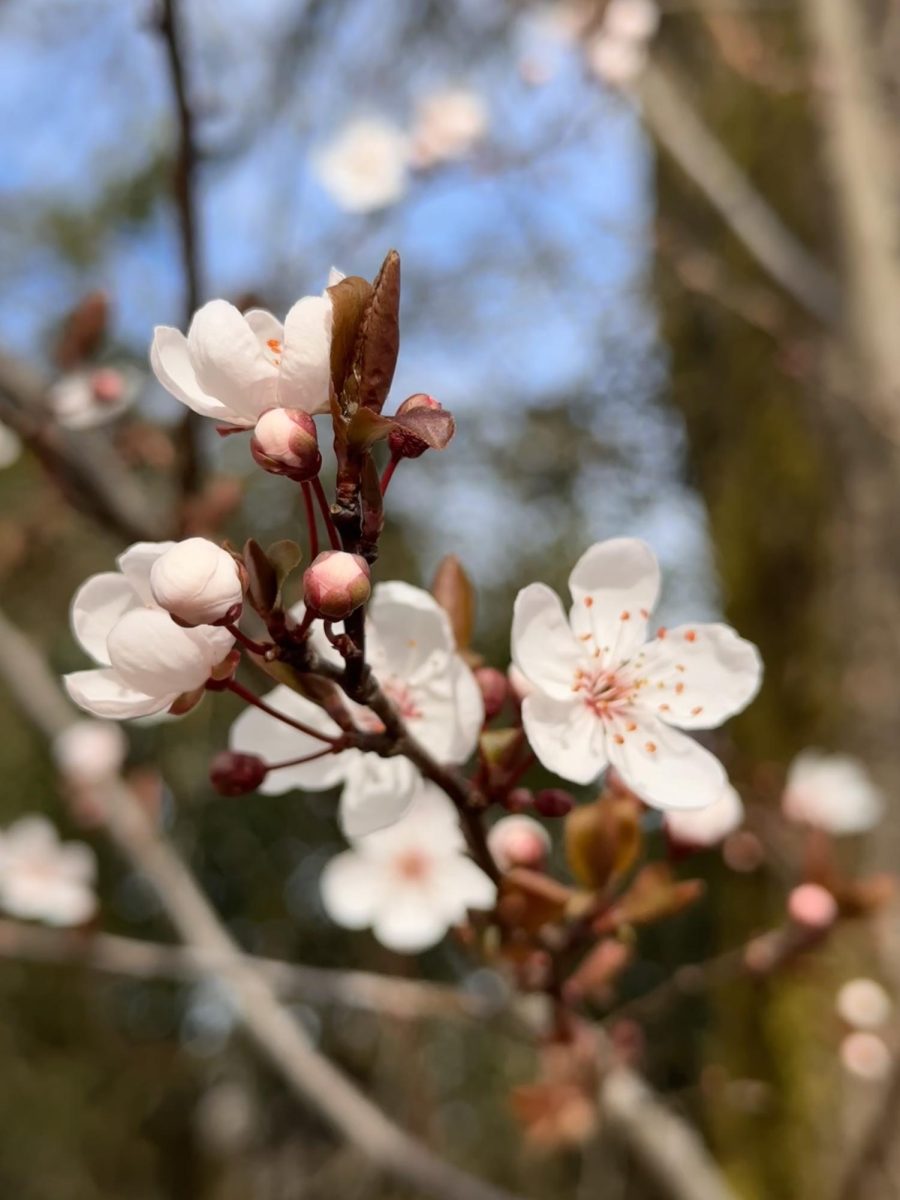
The iconic waterfront cherry blossoms have begun their bloom this spring.
However, these blooms represent more than a new season. In fact, they have a deep history representing peace, reconciliation and Portland’s connection with Japan.
Beginning in the 1890s, labor contractors found jobs for Japanese immigrants on the railroads, farms and in the forests. Many of those immigrants were processed through Portland, creating a demand for hotels, bathhouses, laundries and other services which formed Nihonmachi, or Japantown. By 1940, the area was a hub of over 100 businesses catering to Japanese immigrants, Issei, and their children, Nisei.
While the Japanese population in Portland was steadily growing, after the attack on Pearl Harbor in Dec. 1941, the Japanese community in Portland faced racism and hate.
In public places, people stared, sneered, spat and called them names. Stores posted signs that read “No J— Allowed” according to the Oregon Encyclopedia. “[T]hese acts were perpetrated against American citizens and legal residents who happened to be of Japanese ancestry,” it wrote.
On Feb. 19, 1942, President Franklin D. Roosevelt signed an executive order in which the U.S. government issued exclusion orders in neighborhoods where Japanese people lived and ordered them to internment camps.
From May 1 to May 4, 1942, Portland’s Japantown became a ghost town.
17 years later, Portland and Sapporo, Japan became sister cities. Founded just three years after President Eisenhower’s Sister City Program began, the partnership was established to promote peace and respect post-World War II. It remains one of the longest-running in the US.
In the early ‘60s, Portland Mayor Terry Schrunk and members of the Portland community began building a Japanese garden in Washington Park. They wanted to provide the Portland citizens with a garden of great beauty and serenity, while forging a healing connection to Japan following WWII, according to the Portland Japanese Garden.
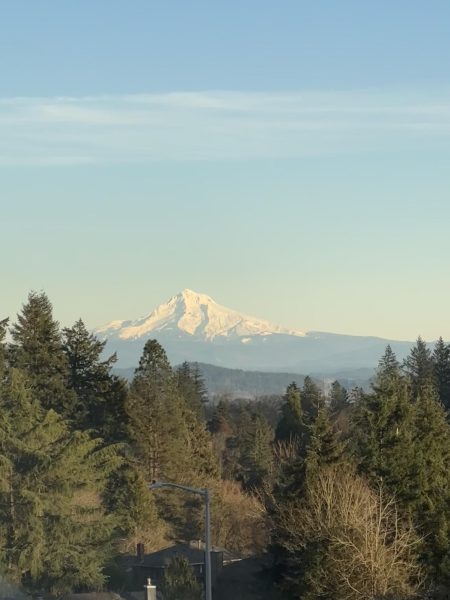
When the Portland Japanese Garden’s original designer, Professor Takuma Tono of Tokyo Agricultural University first saw Mt. Hood, he connected it to Mt. Fuji, one of Japan’s most beloved natural landmarks, according to Portland Japanese Garden. Tono often referred to Mt. Hood as Mt. Fuji, “All of that reminds me of Japan,” he said.
In 1968, the Kashintei Tea House was constructed in Japan, shipped in pieces, and reassembled in the Portland Japanese Garden. Other structures were added as the five gardens evolved.
The Tom McCall waterfront park is lined with 100 Akebono cherry blossom trees. The trees were a gift from Japan for the dedication of the Japanese American Historical Plaza in 1990.
According to the Japanese American Museum of Oregon, the plaza was created to “raise public awareness of the diversity of cultural experiences in America.”
The trees are in bloom along the park from March to mid April, and you can track the bloom of the cherry blossoms at japanesegarden.org.